

Destination
Bal Harbour First-Timer’s Guide: Where to Stay and What to Do
By Stay Renté · May 1, 2026 · 7 min read
Plan a first visit to Bal Harbour with practical advice on residence layouts, beach access, shopping, local transport and the details to confirm before booking.
For a first visit to Bal Harbour, plan around the beach, Bal Harbour Shops and the accommodation layout that fits your group. This coastal village is just north of Miami Beach. A stay here can work well when your plans center on time by the ocean, shopping and meals nearby. Start with your dates, guest count and sleeping arrangements, then compare Stay Renté’s Bal Harbour vacation rentals.
This guide explains how to choose a residence, organize a first visit and check the details that can change before you travel. Local information was checked against the official sources linked below on October 1, 2026.
Where is Bal Harbour, and does it fit your trip?
Bal Harbour is a separate village just north of Miami Beach. The Greater Miami Convention & Visitors Bureau’s Bal Harbour overview highlights its beach, hotels and luxury shopping. Use Bal Harbour as your base if those are central to your itinerary; if most of your plans are elsewhere in Miami, compare the location of each activity before choosing where to stay.
Build your itinerary from the actual address of your accommodation. Check a live route for airport transfers, dinner reservations and trips beyond the village. Avoid relying on a single promised drive time: your airport, route and departure time all affect the journey. For a short stay, keeping several activities near your residence leaves more time to enjoy them.
Where to stay: compare the room layout and the booking terms
The useful comparison is the specific accommodation and what its reservation includes. A hotel room, hotel suite and privately managed residence can have different sleeping spaces, kitchen equipment, housekeeping arrangements and service conditions, even within the same building. Compare those details before deciding.
Stay Renté’s St. Regis Bal Harbour residence collection gives you individual options to review. These three examples show why the sleeping arrangement matters:
Separate king and queen bedrooms
The sixth-floor residence at St. Regis Bal Harbour has a king bedroom and a separate queen bedroom.
Before booking: Confirm the guest count, bathroom arrangement and current terms for your dates.
A king bedroom plus two additional individual beds
The fifth-floor residence with a twin-bed den has a king bedroom and two single beds in the den.
Before booking: Review photos and ask about the den’s enclosure and privacy if separate bedrooms are essential.
In-unit laundry and an additional sofa bed
The seventh-floor residence with a sofa-bed den has a king bedroom, a sofa bed in the den, and an in-unit washer and dryer.
Before booking: Confirm whether the sofa-bed setup suits your group and review the kitchen equipment you will use.
Improvement works may cause noise and limit outdoor café seating access. Ask about the current impact for your dates before booking.
These are layout examples, not a statement of availability. A den is not automatically equivalent to a separate enclosed bedroom. Review the individual listing and ask about doors, bed sizes and the permitted number of guests. Do not choose solely from a headline bedroom count.
Before confirming a residence, request the full price and applicable fees, minimum stay, cancellation terms, parking arrangements and the services included with that particular booking. Ask specifically about beach chairs, umbrellas, pools, gym or spa access, housekeeping and any current improvement works. This makes the comparison useful for your stay instead of relying on a general hotel amenities list.
Things to do on your first visit
Make time for the beach and oceanfront path
A walk on the Bal Harbour Beach Path is an easy activity to build into your itinerary. The official tourism bureau’s beach guide identifies the oceanfront path as a place for walking and jogging. Choose your outing around the weather and your group’s needs.
Confirm the beach route available from your residence and any seating or equipment included. Do not assume every marked path is open to every visitor: the Village says the 102nd Street Beach Access Path has locked gates requiring its All Access Card. Beach access and hotel beach services are separate details to check.
Plan shopping and a meal together
Bal Harbour Shops combines shopping and dining in an open-air setting. Its current restaurant directory includes Carpaccio for Italian food, Makoto for Japanese cuisine, and Slim’s steakhouse. Choose from current menus and reserve directly with the restaurant when needed. Opening hours, menus and tables can change.
Check the Shops’ official access and construction updates before leaving. The operator gives separate arrival instructions for walking, self-parking, valet and rideshare. Those details are more useful than assuming an entrance from an older guide is still your best route.
Getting around without overplanning
Decide which journeys you need before deciding whether to rent a car. Compare your accommodation’s parking charges with your planned transfers and outings, and check walking routes for the places you expect to visit most.
For local journeys, the Village’s Freebee information page describes door-to-door service for residents and visitors within its service area. Listed points of interest include Bal Harbour Shops, St. Regis Bal Harbour and beach access at 96th Street. Check the current service map, operating hours and ride-request instructions; do not treat this local service as an airport transfer or assume a particular pickup time.
When to visit and how long to stay
Choose dates around the activities you want to do and the accommodation available for your group. Compare actual quotes for your dates rather than assuming a certain month will always be cheaper. If you are coming for a festival or other event, check its official dates before making travel arrangements.
Allow flexibility for weather. The National Weather Service’s South Florida rainy-season explanation uses mid-May through mid-October as the regional rainy season. That is seasonal background, not a forecast for your visit; check the current forecast when planning outdoor activities.
For a first visit, a three-day itinerary is one option: use the first day to settle in and take a beach walk, the second for shopping and a meal, and the third for more beach time or an outing you choose. Adapt that outline to your arrival time, interests and the minimum stay of your selected accommodation.
Questions to answer before choosing your residence
Do I need two bedrooms, or will a bedroom and den work?
Start with who needs a separate room and how each person will sleep. A bedroom and den may suit one group and be wrong for another. Review the photos, exact bed arrangement and enclosure; ask for clarification if the listing leaves any of those details unclear.
Does a private residence include every hotel service?
Confirm the inclusions for the specific residence and reservation. A building’s hotel service list does not establish which services are included, available at an additional charge or subject to restrictions with a private rental.
Can I plan a stay without a car?
You can assess that by checking routes between your residence and planned activities, plus your airport transfers. Local walking routes and the Village’s Freebee service may cover some outings; check service boundaries, timing and your group’s mobility needs before relying on them.
What should I send Stay Renté with an inquiry?
Include arrival and departure dates, the number and ages of guests, your required sleeping arrangement and any essential kitchen, laundry or accessibility needs. Add the residence links you are considering. That gives the team enough context to discuss suitable options and current terms.
Compare your Bal Harbour stay
Explore Bal Harbour vacation rentals, compare the St. Regis Bal Harbour residence collection, and review the booking and stay FAQs. When you have a shortlist, contact Stay Renté with your dates and preferred layout. An inquiry does not confirm a reservation; review availability and the complete terms before booking.
Stay at Bal Harbour
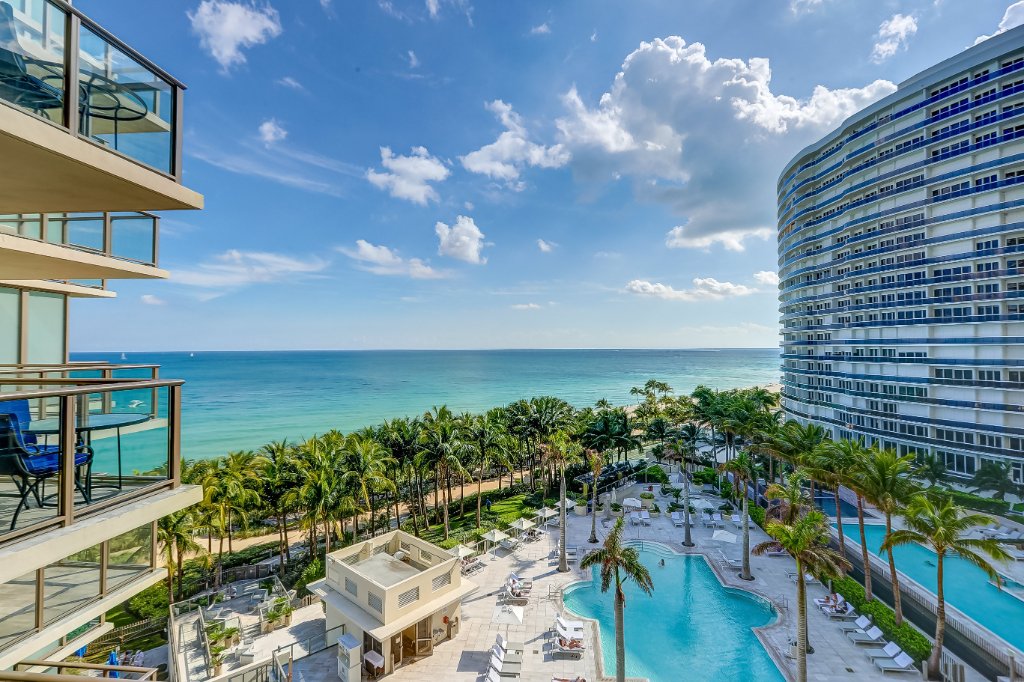
St-Regis Bal Harbour
9703 Collins Ave, Bal Harbour, FL 33154
Browse propertiesMore from the Journal


